Leo is fourteen and wants a game his parents won’t buy. On a Saturday afternoon he finds a cracked copy with a keygen, switches off the antivirus because the forum told him to, and runs it on the family PC in the lounge. The game works. The keygen also installs an infostealer, which spends about forty seconds copying every saved password, cookie and browser session on the machine to a server somewhere. Then it deletes itself.
Leo’s family is invented. Every data source in the rest of their story is real, and we link to an example of each one.
Five years ago, that infection would have ended with someone stealing Leo’s Steam account. This year it can end with a stranger holding the layout of his house, the password to his Wi-Fi, and the address of the remote access portal at his dad’s work. The malware is the same as it was five years ago. The price of connecting one piece of data to the next has collapsed.
Ten piles that never touched
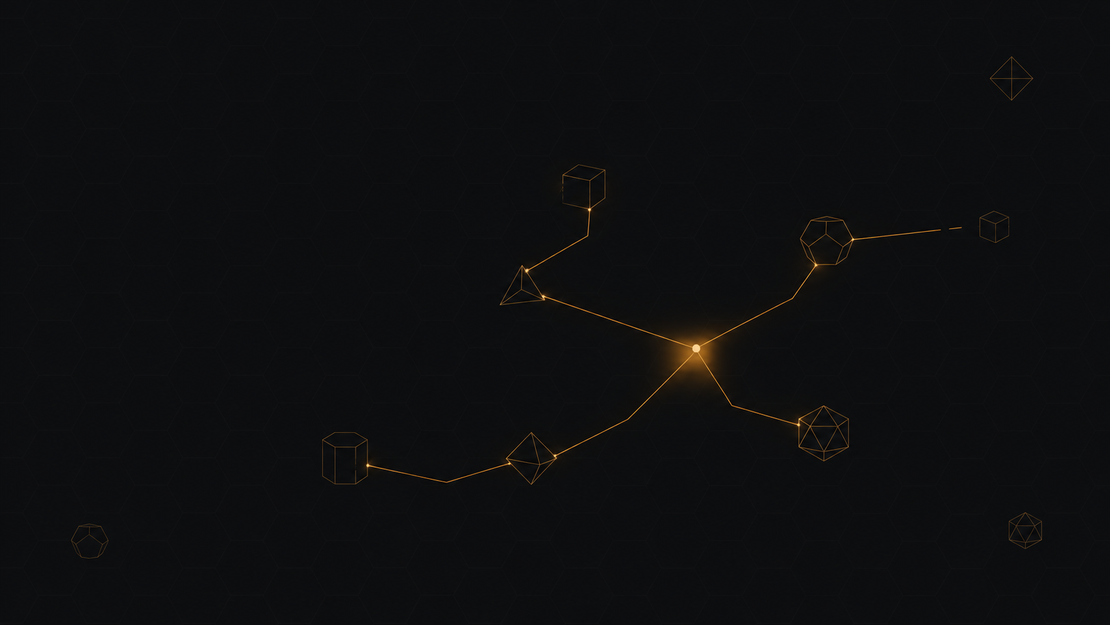
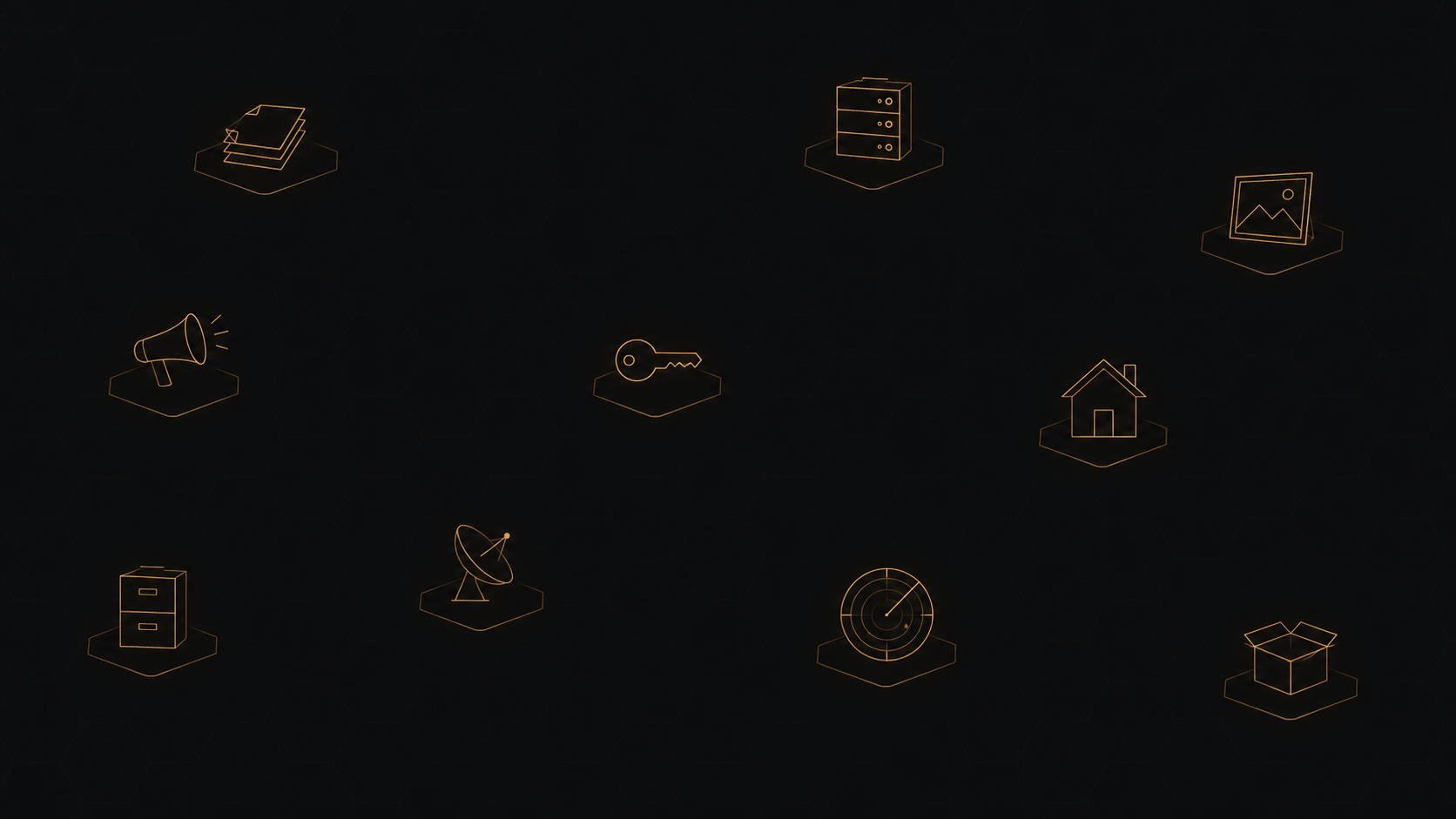
Here’s what sits on the internet about an ordinary household, in no particular order:
- infostealer logs, sold by the thousand on criminal markets and Telegram channels
- certificate transparency logs, which publish every TLS certificate an organisation requests, hostnames included
- subdomain lists scraped from DNS
- ordinary posts on social media
- photos of people together at school sports, weddings and work events
- companies’ blog posts and case studies about each other
- data broker records, the people-search kind
- location data leaked out of the advertising system
- old breaches of third-party companies
- internet scan data from Shodan and Censys
Each pile has its own owners, buyers and formats. Stealer logs are traded in criminal channels. Certificate logs are public and enormous. Broker data sits behind a paywall. Advertising location data is supposed to be anonymous. To learn anything about one person, someone had to walk from pile to pile and carry each clue across by hand: copy an IP address out of one, search for it in another, notice that a username in a third looks like the same person.
That walking was expensive, so it was rare, and when it happened it usually took one unusually curious person. In January 2018 a 20-year-old Australian university student, Nathan Ruser, looked at Strava’s public heatmap of where its users exercise and noticed bright loops in the deserts of Syria and Afghanistan. They were soldiers jogging around the perimeters of military bases. Strava had published the map two months earlier. It took a human with free time and a hunch to connect a fitness app to a base that wasn’t on any public map.
What a model is good at
Language models do plenty of things well. For security, the one we think matters most is deciding whether two records describe the same thing.
A model will match an IP address in one dump to an IP address in another, which a database could always do. It will also match the back deck in a holiday photo to a satellite view of a street, the writing style of a forum post to a LinkedIn profile, a Wi-Fi network called HART-HOME to a surname on a warranty registration, and a teenager’s school email to the school’s sports page. These are weak, fuzzy joins. Each one used to need a person to look and decide. An agent does them in seconds, at whatever volume you pay for, and it doesn’t get bored after the fiftieth dead end.
In January 2025, 404 Media reported on GeoSpy, a tool that estimates where a photo was taken from the vegetation, buildings and road markings in the frame. Some of its public users were asking it for help finding specific women. A general-purpose model now does a rough version of the same thing when you ask.
One keygen, one family
Here is Leo’s infection, followed by an agent that buys his log. We’ve written it as the agent’s run log, because that’s close to what one looks like. The IP address comes from a range reserved for documentation, and the timestamps are minutes from the start.
[00:00] input   stealer log, market price US$10
[00:01] parse   Windows 11, public IP 203.0.113.47, timezone Pacific/Auckland
[00:01] parse   Steam, 2x Discord, school Google account (student, Year 10)
[00:04] join    IP -> leaked appliance telemetry: 1 match
                fridge, Wi-Fi "HART-HOME", Wi-Fi password in plain text,
                owner account email
[00:06] join    owner email -> retailer breach, 2024: name, street address
[00:07] join    address -> people-search broker: 4 residents, ages 14 to 47
[00:10] join    surname + town -> father's profile: senior network
                engineer at a regional electricity lines company
[00:12] join    employer -> certificate logs: 214 hostnames,
                incl. vpn., remote., sso.
[00:13] join    hostnames -> internet scan data: VPN appliance, model banner
[00:15] join    appliance vendor -> case study naming the employer
[00:17] join    father's email -> 2019 breach: password, pattern word+year
[00:19] join    mother's public photos -> back deck, school uniform;
                geolocation agrees with street address
[00:21] join    Wi-Fi network -> robot vacuum on the same network,
                maker had a cloud account flaw this year
[00:22] join    ad location data -> a phone at the employer's control
                centre, weekdays 07:40 to 16:30
[00:24] report  3 candidate paths into the employer. model spend US$6.80
Every line in that log is a join someone used to do by hand. A few of them deserve a closer look, because they’re the ones people assume can’t happen.
The fridge line looks the least likely, and it’s based on a real case. In February 2025 researcher Jeremiah Fowler found an unprotected database of 2.7 billion records linked to Mars Hydro, a maker of app-controlled grow lights. It held Wi-Fi network names, Wi-Fi passwords, IP addresses and device IDs. Appliance makers log the public IP address their devices connect from, and an infostealer log records the public IP of the infected PC. In a house with one internet connection, those are the same number, and that one number ties a teenager’s gaming PC to the household’s appliance account.
The vacuum line is real too. In February 2026 Sammy Azdoufal wanted to drive his new DJI Romo robot vacuum with a PS5 controller. While working out, with Claude Code’s help, how the vacuum talked to DJI’s servers, he found that his own device’s token gave him access to roughly 7,000 vacuums in 24 countries, including their camera feeds and the floor plans they had mapped. He reported it and DJI fixed it. A robot vacuum carries a floor plan of the house, and its cloud account is one more join away.
The advertising line comes from the Gravy Analytics breach in January 2025. Hackers took location data collected through ad auctions inside thousands of ordinary apps, games and dating apps and fitness trackers among them. Location data without names attached stops being anonymous once you know where someone sleeps, and the agent learned that at minute six.
The case study line is the one we run into most when we map a client’s suppliers. Vendors like to publish “how a lines company moved 600 staff to our remote access platform”. They’re written as marketing. To an attacker, each one is a note saying which product to look up.
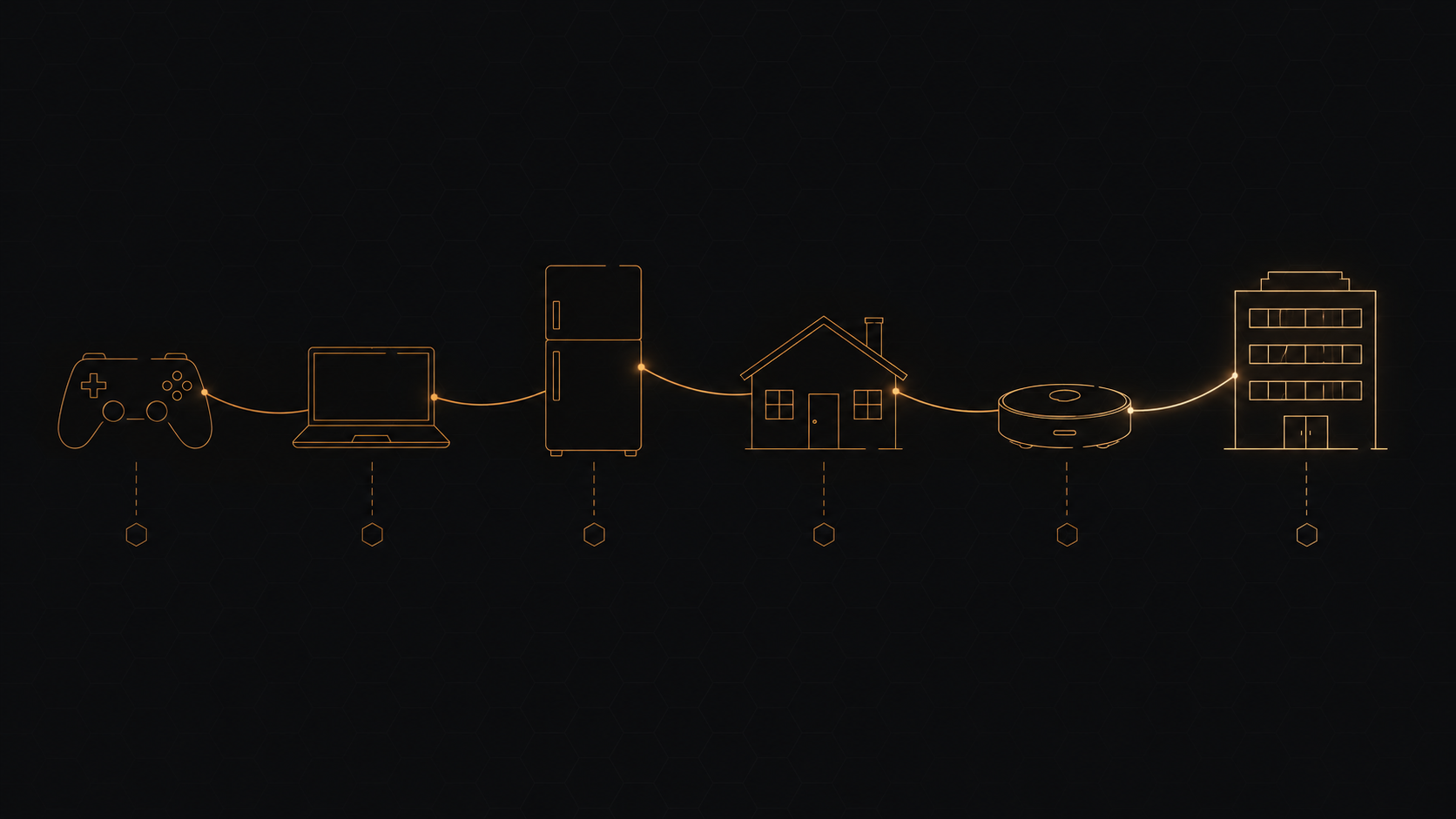
After 24 minutes, the agent hasn’t broken into anything. Everything it used was already leaked, sold or published. What it produced is a short list: a VPN portal and the product behind it, an employee’s email address and an old password pattern, the hours he’s usually at his desk, and the password to the Wi-Fi in his house. That’s a starting point for phishing, password guessing, or someone parking outside with a laptop. If the father has ever logged into his work email on the lounge PC, the stealer log already holds a live session and the list gets much shorter.
The ledger
Here’s our rough estimate of what that run cost before and after. The hours and the analyst rate are our assumptions about what this investigation takes a competent person, and you can halve or double them without changing the conclusion.
| Step | Analyst, 2016 | Agent, 2026 |
|---|---|---|
| Buy the stealer log | US$10 | US$10 |
| Find the IP in other leaks | days, if the leak is indexed at all | seconds |
| Address, residents, employer | a day across brokers and social media | minutes |
| Employer hostnames, VPN, vendor | half a day | minutes |
| Photo geolocation and cross-checks | a day, if they’re good at it | minutes |
| Total per family | about 80 hours, roughly US$8,000 | under US$20 |
One family is the wrong unit, though. Most stealer logs lead somewhere boring. Say one household in 400 has someone whose job makes the chain worth following (we made that ratio up, and the real one is probably worse). An analyst working through logs at US$8,000 each spends over three million dollars to find that household. An agent spends about US$8,000, and finishes over a weekend.

That’s what we mean by the cost of correlation. Ten years ago, joining these piles at scale was something intelligence agencies and the largest data brokers paid for. The cost per family has fallen by a factor of about 400, which puts it within reach of anyone with a stolen credit card and an API key.
The same trick inside the target
We see the other half of this in our own testing.
A web application test used to be an exercise in choosing. A tester with five days and an application with 400 API endpoints would study the login flow, the payment flow and the admin pages, pick thirty endpoints that looked promising, and spend the week on those. The other 370 got an automated scan and a shrug. Choosing well was the skill.
Now we throw the agent at everything and see what happens. It reads every JavaScript bundle, every API route it can find, every old version of the site in the Wayback Machine, every public commit from the developers and every error message. It gives the dull endpoints the same attention as the interesting ones. Most of it produces nothing, and that’s fine, because the nothing costs cents. The finds tend to come from the parts a human would have skipped: the forgotten export endpoint, the staging hostname in a certificate log, the parameter the mobile app sends that the website never does.
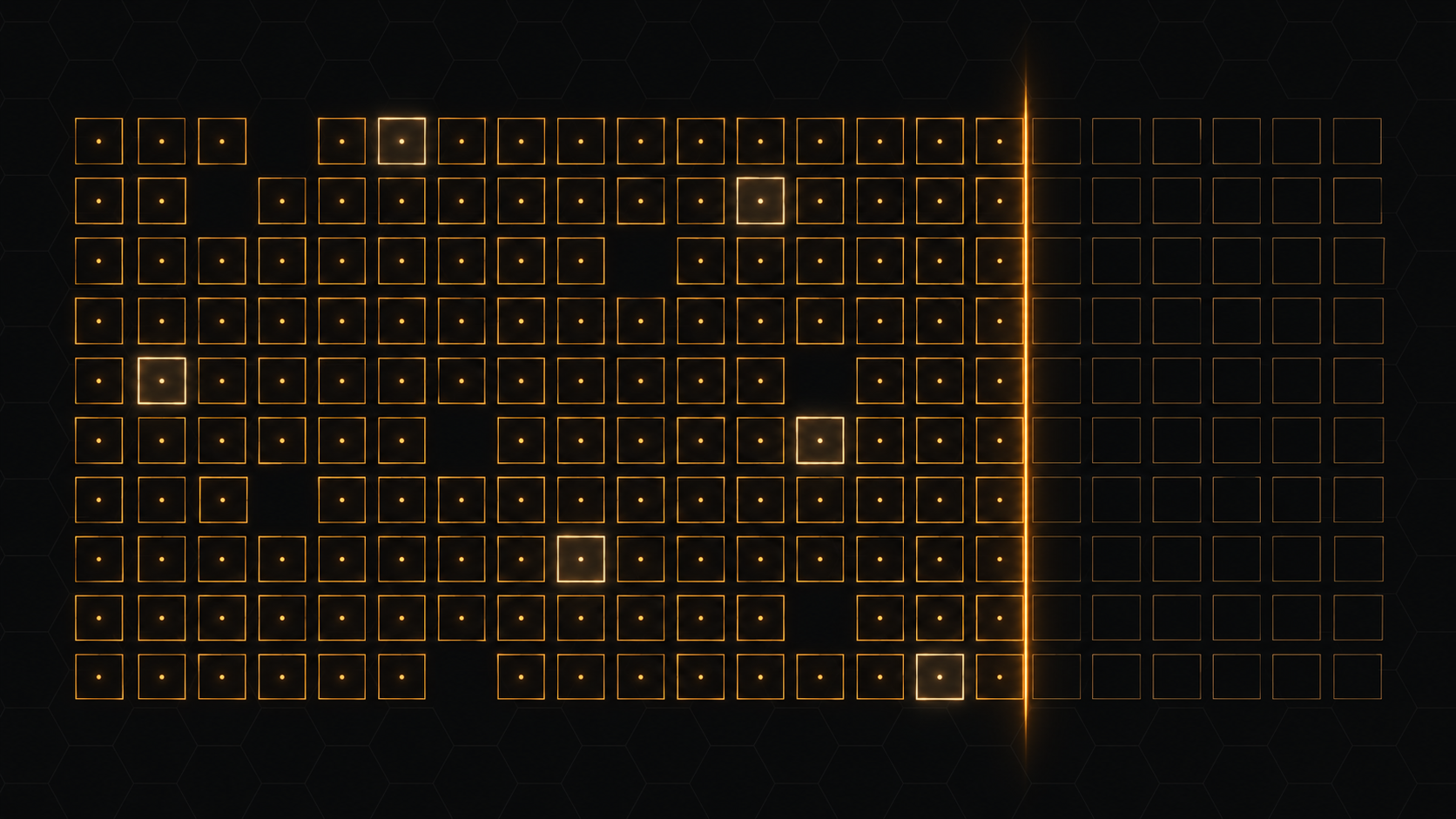
Attackers have the same tools and fewer rules. If your threat model assumes someone has to decide your obscure endpoint is worth their time, it’s out of date.
What to do with this
For a household, the cracked game on the shared computer is the first line of that log. Keep work logins off family machines, put smart appliances on a guest Wi-Fi network, and retire any password that has appeared in a breach. Have I Been Pwned will tell you which ones have.
For an organisation, start from the assumption that correlation is free. Your staff’s home networks, their kids’ PCs and their old breached passwords sit about twenty minutes away from your VPN portal. Put phishing-resistant MFA such as passkeys on every remote access path, and check whether staff credentials and sessions are turning up in stealer logs. Read your own certificate transparency entries to see which hostnames you’re announcing. When a vendor asks to publish a case study about you, ask them to leave out which product guards your front door.
Earlier this month we wrote that AI has made every target worth attacking. Correlation is a large part of why. The data was always out there. The expensive part was joining it, and that part now costs less than the stealer log.
A disclosure, since it matters here: we sell offensive testing and attack surface mapping, including the kind of correlation described above, so weigh what we say with that in mind. We only run it for organisations that have authorised it. If you want to see what your own twenty-minute log looks like, get in touch.